





Getting a Dental Crown: What Happens at Each Visit

A dental crown can turn a cracked, weakened, or worn tooth into a strong, natural-looking part of the smile again. Knowing what each appointment involves makes the whole process feel far more manageable.
For patients considering dental crowns in Broomall, Dental Arts of Drexel Hill keeps treatment simple, with most cases completed in just two visits. Here's a closer look at what happens from start to finish.
Why a Dentist May Recommend a Crown
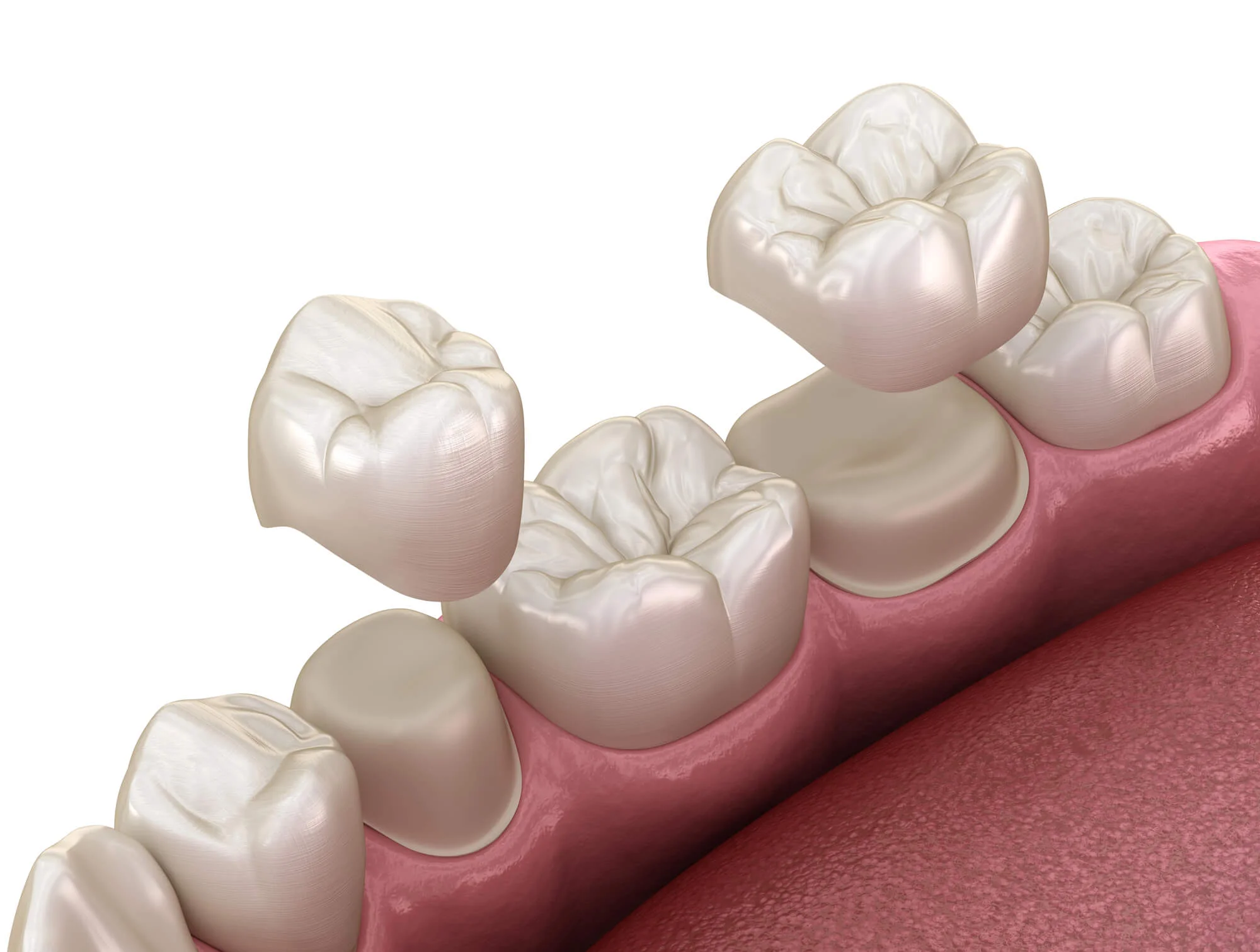
A crown fits over the entire tooth, which is why it's often called a cap. The American Dental Association's overview of crowns lists several reasons a dentist may suggest one:
- Protecting a weak tooth from breaking
- Restoring a broken tooth
- Supporting a tooth with a large filling
- Covering a dental implant or anchoring a bridge
Crowns also play a key role after root canal therapy. They help protect and strengthen the treated tooth for years to come.
What Happens at Each Crown Visit
Visit One: Preparing the Tooth
The first appointment focuses on preparing the tooth. Tools like digital X-rays help the dental team evaluate the tooth and plan the best approach.
Next, the dentist shapes the tooth so that the crown fits securely over it. Impressions then capture the exact size and shape needed for a custom restoration.
Cleveland Clinic's crown guide explains that a temporary crown typically protects the tooth while the permanent one is made. A dental lab usually needs about two to three weeks to complete the final crown.
Choosing the Right Crown Material
During the planning stage, the dentist helps each patient choose the material that best fits their needs. Options include:
- Porcelain, which offers a natural, highly aesthetic look
- Porcelain fused to metal, which balances durability with a natural appearance
- Gold, which is known for its strength and longevity
Every crown is custom-made to match the shape, size, and color of the surrounding teeth. The goal is a restoration that blends naturally with the rest of the smile.
Visit Two: Placing the Custom Crown
Once the permanent crown is ready, the second appointment focuses on fit and comfort. The dentist checks the shape, bite, and color before bonding the crown into place.
Most patients return to normal activities right away. Some sensitivity to heat or cold can linger for a couple of weeks, while gum soreness typically fades within a few days.
Caring for a New Crown
With proper care, crowns typically last 10 to 15 years or longer. Daily brushing, flossing, and regular checkups go a long way toward protecting that investment.
Patients who grind their teeth may benefit from a custom night guard. It helps shield both the crown and natural teeth from nighttime pressure.
Frequently Asked Questions About Dental Crowns
Does Getting a Crown Hurt?
Patients who experience discomfort during the procedure should let the dentist know, as additional anesthesia may help. Mild sensitivity afterward is normal and usually fades within a couple of weeks.
Which Foods Should Patients Avoid With a Crown?
Cleveland Clinic recommends steering clear of ice, hard nuts, popcorn kernels, and sticky candy. These foods can put extra stress on a crown over time.
Can a Crown Be Replaced?
Yes, a crown that becomes worn or damaged can be replaced with a new one. Regular checkups help catch these issues early.

Explore Dental Crowns in Broomall
A strong, healthy smile starts with the right restoration, and our friendly team speaks English, Spanish, and German to make every visit comfortable. We proudly welcome patients from Broomall and throughout Delaware County.
If you're considering dental crowns in Broomall, schedule a consultation at Dental Arts of Drexel Hill or call (610) 449-1513 today.