





Smiling woman and young girl with curly hair hugging and looking at the camera.
Smiling woman and man standing in a dental office holding signs that read 'love my patient' and 'Always good fillings here!'
Smiling woman with dark hair hugging a laughing man wearing a red shirt against a blue sky.
Elderly couple smiling and embracing outdoors with a soft-focus natural background.

Start Your New Smile with Us!

WE LOVE WELCOMING NEW PATIENTS!

NOW OFFERING A $99 SPECIAL.
CLICK HERE

Professional Teeth Whitening vs. At-Home Options: What Makes the Difference?
September 16, 2026

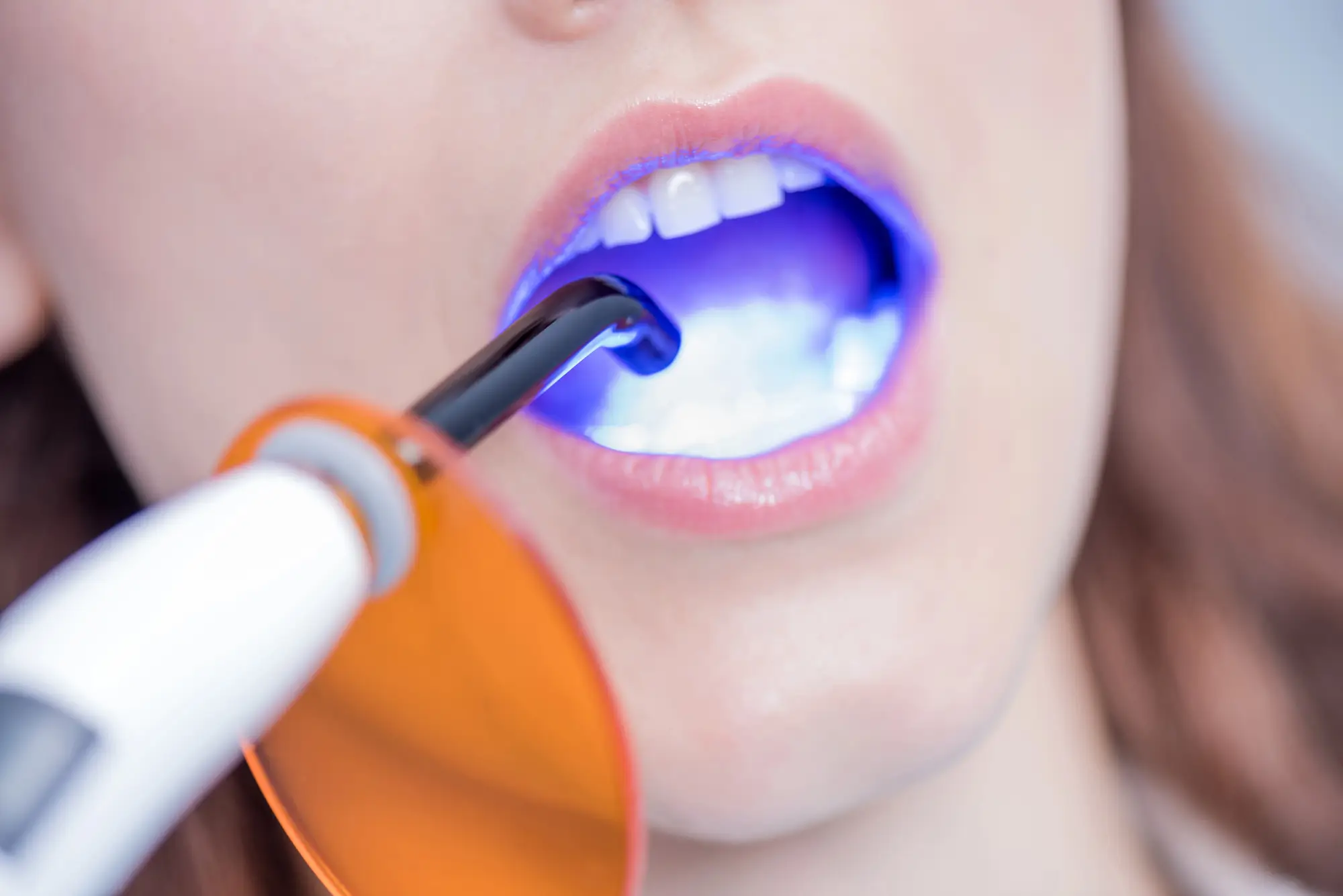
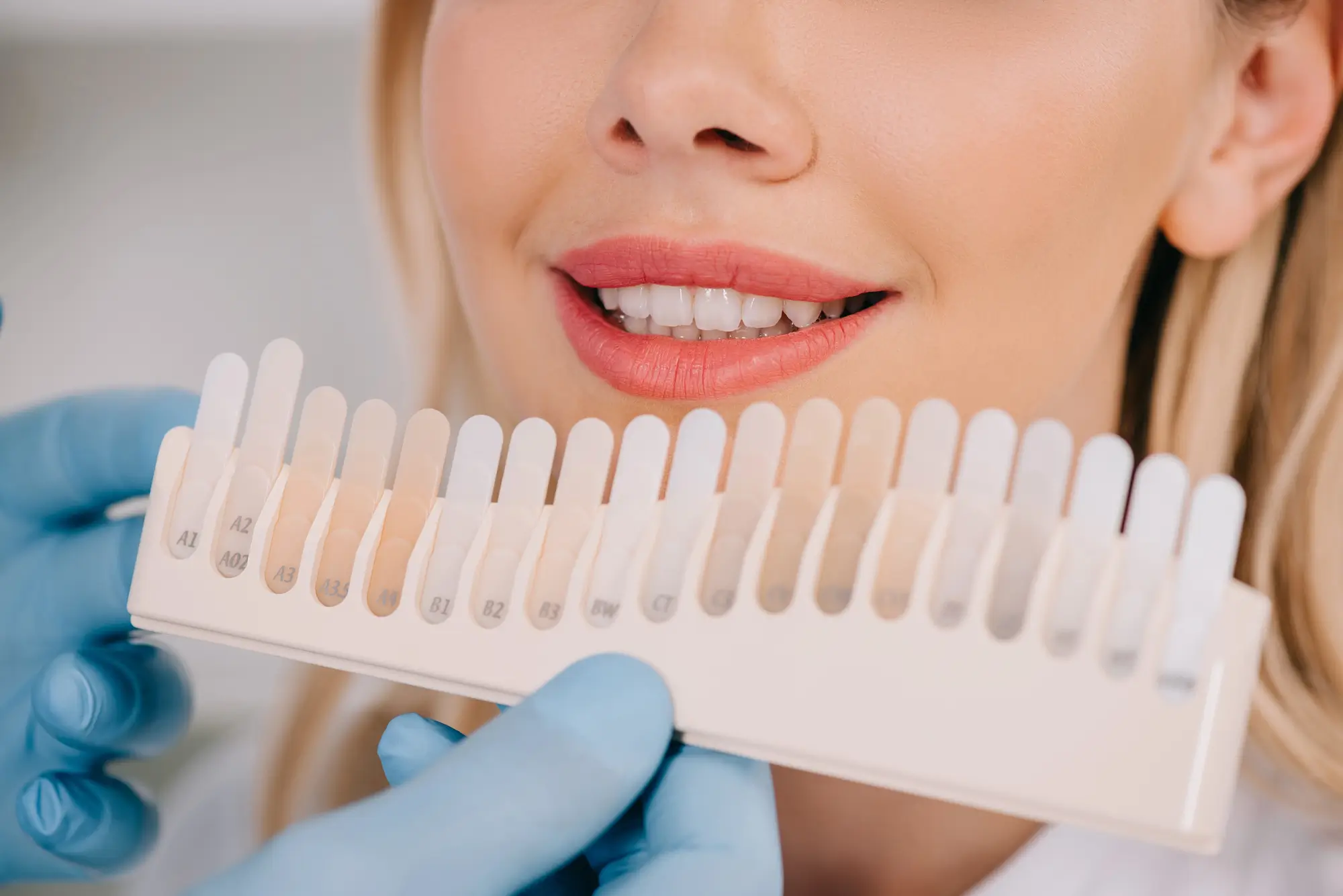
A brighter smile can result from several whitening approaches. Still, the right option depends on the type and cause of tooth discoloration. For patients comparing teeth whitening in Broomall, professional teeth whitening services can provide a more controlled approach; over-the-counter products offer convenience for certain surface stains.  

Understanding how each method works makes it easier to compare expected results, treatment time, and safety.
A brighter smile can result from several whitening approaches. Still, the right option depends on the type and cause of tooth discoloration. For patients comparing teeth whitening in Broomall, professional teeth whitening services can provide a more controlled approach; over-the-counter products offer convenience for certain surface stains.        Understanding how each method works makes it easier to compare expected results, treatment time, and safety.   How Do Professional and At-Home Whitening Compare?   Which Option Produces Faster Results?   Professional whitening generally uses stronger bleaching agents and can produce more noticeable changes in less time. At-home strips, gels, and trays can also brighten teeth. However, treatment may take several days or weeks, depending on the product and concentration.   Which Method Offers More Control?   Professional treatment allows dental professionals to evaluate existing discoloration and determine whether whitening is appropriate. At-home products vary in strength and application, making it especially important to follow directions and avoid excessive use.   What Types of Stains Respond to Whitening?   Whitening Can Remove Common Surface Stains   Food, beverages, tobacco, and normal aging can contribute to tooth discoloration over time. Professional or at-home bleaching may improve many yellowish stains, while surface-stain removal products can address discoloration without actually changing the natural color of the teeth.   When Might Whitening Not Work?   Whitening does not change the color of restorations such as veneers, crowns, or fillings, and some discoloration caused by trauma or medication may respond poorly. In those situations, alternatives such as dental veneers or cosmetic dental fillings may be considered.   What Should Be Considered Before Whitening?   Tooth Sensitivity Matters   Temporary sensitivity can occur with whitening because peroxide-based products can reach the dentin beneath the enamel. Excessive use may also irritate the gums or damage enamel, which makes appropriate product selection and treatment instructions important.   Existing Dental Concerns Be Addressed First   Whitening is primarily a cosmetic procedure and should not replace treatment for active dental problems. A routine evaluation can identify concerns that may need attention before cosmetic treatment, with general dental care helping establish a healthy foundation.   Frequently Asked Questions About Teeth Whitening   Is professional whitening always better?   Professional whitening can offer stronger treatment and faster results, but the most appropriate approach depends on the type of discoloration, sensitivity concerns, and desired outcome. Some individuals may achieve satisfactory results with dentist-guided or over-the-counter options.   How can whitening results last longer?   Consistent brushing and flossing, regular dental cleanings, and limiting heavily staining foods and beverages can help maintain a brighter appearance. Additional cosmetic options, including dental bonding, may address imperfections that bleaching alone cannot correct.   How often can teeth be whitened safely?   Whitening frequency depends on the method used, the condition of the teeth, and the level of sensitivity experienced during or after treatment. Professional guidance can help determine an appropriate schedule and reduce the risk of gum irritation or unnecessary enamel stress.   Will whitening make teeth look unnaturally white?   Whitening is usually intended to brighten the natural shade of the teeth rather than create an artificial appearance. The result can vary based on the starting tooth color, stain type, and treatment approach, which is why a consultation can help set realistic expectations.   Schedule a Teeth Whitening in Broomall Today!   Dental Arts of Drexel Hill can help determine whether professional whitening is appropriate and discuss available cosmetic options based on the condition of the smile.   To explore teeth whitening in Broomall and create a personalized treatment plan, schedule a consultation with our practice.

How Do Professional and At-Home Whitening Compare?

Which Option Produces Faster Results?

Professional whitening generally uses stronger bleaching agents and can produce more noticeable changes in less time. At-home strips, gels, and trays can also brighten teeth. However, treatment may take several days or weeks, depending on the product and concentration.

Which Method Offers More Control?

Professional treatment allows dental professionals to evaluate existing discoloration and determine whether whitening is appropriate. At-home products vary in strength and application, making it especially important to follow directions and avoid excessive use.

What Types of Stains Respond to Whitening?

Whitening Can Remove Common Surface Stains

Food, beverages, tobacco, and normal aging can contribute to tooth discoloration over time. Professional or at-home bleaching may improve many yellowish stains, while surface-stain removal products can address discoloration without actually changing the natural color of the teeth.

When Might Whitening Not Work?

Whitening does not change the color of restorations such as veneers, crowns, or fillings, and some discoloration caused by trauma or medication may respond poorly. In those situations, alternatives such as dental veneers or cosmetic dental fillings may be considered.

What Should Be Considered Before Whitening?

Tooth Sensitivity Matters

Temporary sensitivity can occur with whitening because peroxide-based products can reach the dentin beneath the enamel. Excessive use may also irritate the gums or damage enamel, which makes appropriate product selection and treatment instructions important.

Existing Dental Concerns Be Addressed First

Whitening is primarily a cosmetic procedure and should not replace treatment for active dental problems. A routine evaluation can identify concerns that may need attention before cosmetic treatment, with general dental care helping establish a healthy foundation.

Frequently Asked Questions About Teeth Whitening

Is professional whitening always better?

Professional whitening can offer stronger treatment and faster results, but the most appropriate approach depends on the type of discoloration, sensitivity concerns, and desired outcome. Some individuals may achieve satisfactory results with dentist-guided or over-the-counter options.

How can whitening results last longer?

Consistent brushing and flossing, regular dental cleanings, and limiting heavily staining foods and beverages can help maintain a brighter appearance. Additional cosmetic options, including dental bonding, may address imperfections that bleaching alone cannot correct.

How often can teeth be whitened safely?

Whitening frequency depends on the method used, the condition of the teeth, and the level of sensitivity experienced during or after treatment. Professional guidance can help determine an appropriate schedule and reduce the risk of gum irritation or unnecessary enamel stress.

Will whitening make teeth look unnaturally white?

Whitening is usually intended to brighten the natural shade of the teeth rather than create an artificial appearance. The result can vary based on the starting tooth color, stain type, and treatment approach, which is why a consultation can help set realistic expectations.

A brighter smile can result from several whitening approaches. Still, the right option depends on the type and cause of tooth discoloration. For patients comparing teeth whitening in Broomall, professional teeth whitening services can provide a more controlled approach; over-the-counter products offer convenience for certain surface stains.        Understanding how each method works makes it easier to compare expected results, treatment time, and safety.   How Do Professional and At-Home Whitening Compare?   Which Option Produces Faster Results?   Professional whitening generally uses stronger bleaching agents and can produce more noticeable changes in less time. At-home strips, gels, and trays can also brighten teeth. However, treatment may take several days or weeks, depending on the product and concentration.   Which Method Offers More Control?   Professional treatment allows dental professionals to evaluate existing discoloration and determine whether whitening is appropriate. At-home products vary in strength and application, making it especially important to follow directions and avoid excessive use.   What Types of Stains Respond to Whitening?   Whitening Can Remove Common Surface Stains   Food, beverages, tobacco, and normal aging can contribute to tooth discoloration over time. Professional or at-home bleaching may improve many yellowish stains, while surface-stain removal products can address discoloration without actually changing the natural color of the teeth.   When Might Whitening Not Work?   Whitening does not change the color of restorations such as veneers, crowns, or fillings, and some discoloration caused by trauma or medication may respond poorly. In those situations, alternatives such as dental veneers or cosmetic dental fillings may be considered.   What Should Be Considered Before Whitening?   Tooth Sensitivity Matters   Temporary sensitivity can occur with whitening because peroxide-based products can reach the dentin beneath the enamel. Excessive use may also irritate the gums or damage enamel, which makes appropriate product selection and treatment instructions important.   Existing Dental Concerns Be Addressed First   Whitening is primarily a cosmetic procedure and should not replace treatment for active dental problems. A routine evaluation can identify concerns that may need attention before cosmetic treatment, with general dental care helping establish a healthy foundation.   Frequently Asked Questions About Teeth Whitening   Is professional whitening always better?   Professional whitening can offer stronger treatment and faster results, but the most appropriate approach depends on the type of discoloration, sensitivity concerns, and desired outcome. Some individuals may achieve satisfactory results with dentist-guided or over-the-counter options.   How can whitening results last longer?   Consistent brushing and flossing, regular dental cleanings, and limiting heavily staining foods and beverages can help maintain a brighter appearance. Additional cosmetic options, including dental bonding, may address imperfections that bleaching alone cannot correct.   How often can teeth be whitened safely?   Whitening frequency depends on the method used, the condition of the teeth, and the level of sensitivity experienced during or after treatment. Professional guidance can help determine an appropriate schedule and reduce the risk of gum irritation or unnecessary enamel stress.   Will whitening make teeth look unnaturally white?   Whitening is usually intended to brighten the natural shade of the teeth rather than create an artificial appearance. The result can vary based on the starting tooth color, stain type, and treatment approach, which is why a consultation can help set realistic expectations.   Schedule a Teeth Whitening in Broomall Today!   Dental Arts of Drexel Hill can help determine whether professional whitening is appropriate and discuss available cosmetic options based on the condition of the smile.   To explore teeth whitening in Broomall and create a personalized treatment plan, schedule a consultation with our practice.

Schedule a Teeth Whitening in Broomall Today!

Dental Arts of Drexel Hill can help determine whether professional whitening is appropriate and discuss available cosmetic options based on the condition of the smile.

To explore teeth whitening in Broomall and create a personalized treatment plan, schedule a consultation with our practice.